-
Melaten
-
-
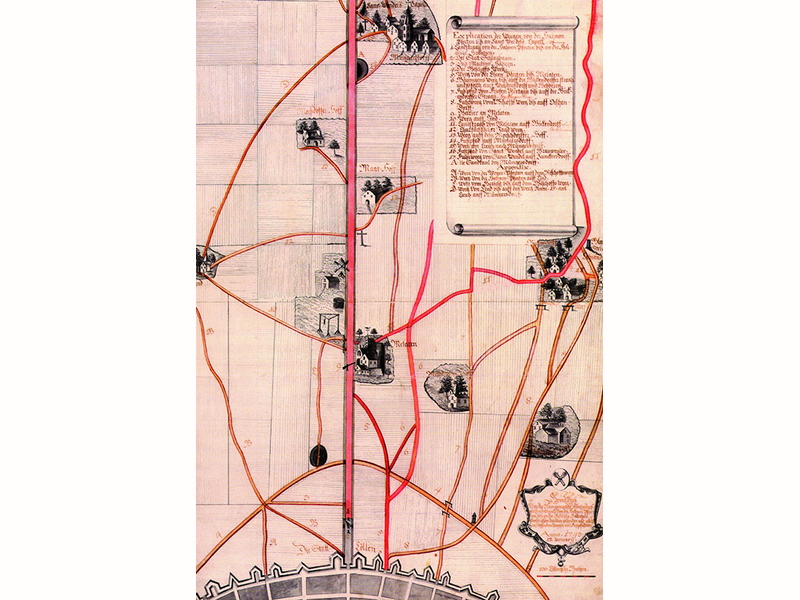
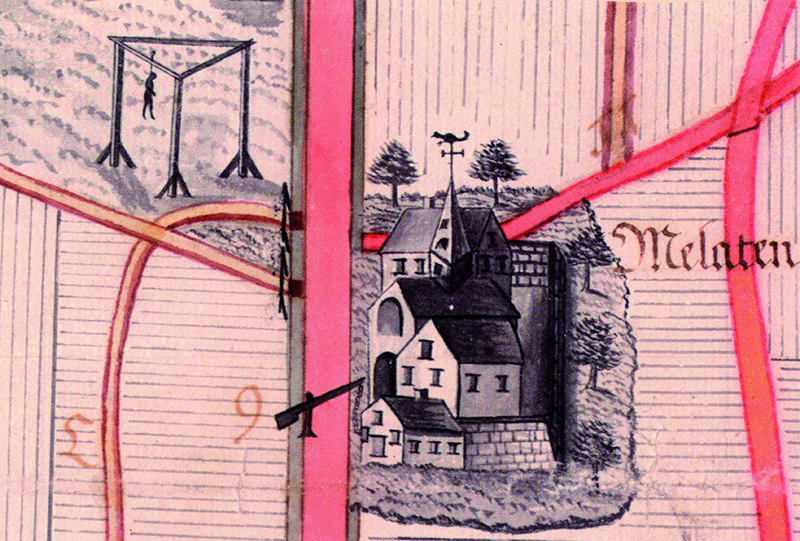
Cologne's oldest central cemetery, Melaten, stretches along the north side of the road “Aachener Straße”. Burials took place here right next to the road as far back as Roman times. The cemetery's name (French: malade = sick) and the chapel of St. Mary Magdalene and Lazarus, part of the former leprosarium dating from 1245, are reminders of the site's history. The leprosarium, first mentioned towards the end of the 12th century, was located about 1.6 kilometres from the medieval city wall. People with infectious diseases such as leprosy lived here, isolated from the rest of the population.
Diagonally opposite, at a fork in the road, was a public place of execution called the "Rabenstein" (Raven Stone). In 1529, the two Protestant martyrs Peter Fliesteden and Adolf Clarenbach were executed there as heretics for their belief in Martin Luther. Women and girls convicted of witchcraft were burned there at the beginning of the 17th century. The last execution took place in 1797: a large crowd gathered to watch the execution of the church robber Peter Eick at the gallows.
In 1804, Napoleon issued his Imperial Decree I on burials. Burials in and around Cologne's churches, which had been customary until then, were now prohibited. Ferdinand Franz Wallraf then designed the Central Cemetery on Aachener Strasse, modelled on the Père Lachaise Cemetery in Paris as a park. The cemetery was inaugurated in 1810 and expanded four times in the following decades. The “Millionenallee" (Million Avenue) is famous for the expensive and elaborately constructed tombs that wealthy Cologne families had built there. It was deliberately laid out parallel to the Via Belgica as the prominent east-west axis of the cemetery.