-
Hahnentorburg gate
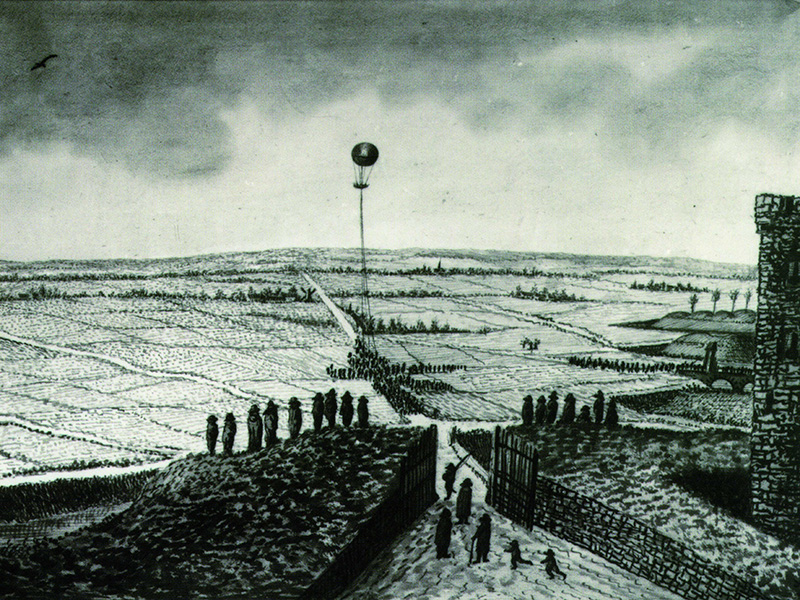
The Hahnentor gate stands exactly on the route of the Via Belgica. From Rudolfplatz square to the western border of today's city in Cologne-Weiden, the dead straight Roman long-distance road runs underneath the Aachener Straße.
During excavations on Rudolfplatz square, immediately west of Hahnentorburg gate, archaeologists came across the Via Belgica in 1929. The gravel surface of the road structure, which was up to eight metres wide and arched to drain rainwater, had been renewed several times. Wide unpaved sand paths and drainage ditches accompanied the roadway on both sides. The total width of the road, including the ditches, varied between around 24 and 26 metres – similar to the width of our modern urban motorways.
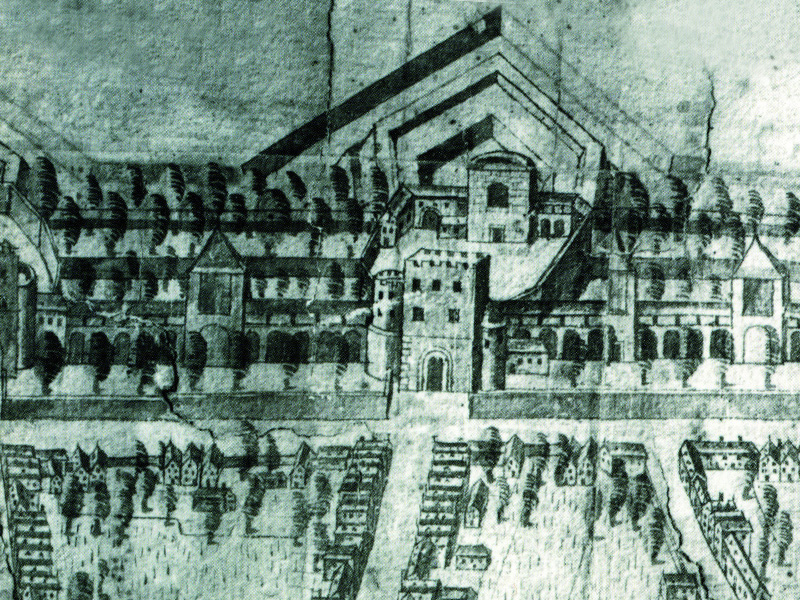
The Hahnentor gate is one of the twelve land-side gate towers of the medieval city fortifications dating from 1180. After the sale of this fortified area in 1881, only this city gate, the Eigelsteintor gate, the Ulrepforte gate and the Severinstorburg gate were spared demolition. Today, the Hahnentorburg gate is a "place of merriment" namely the home of the EhrenGarde der Stadt Köln (traditional honour guard of the Cologne Carnival). The EhrenGarde accompanies the peasant and virgin of Cologne's triumvirate.