Town of
Zülpich
The historian Tacitus called today's town of Zülpich Tolbiacum when he first mentioned it in his annals in 69/70 AD.
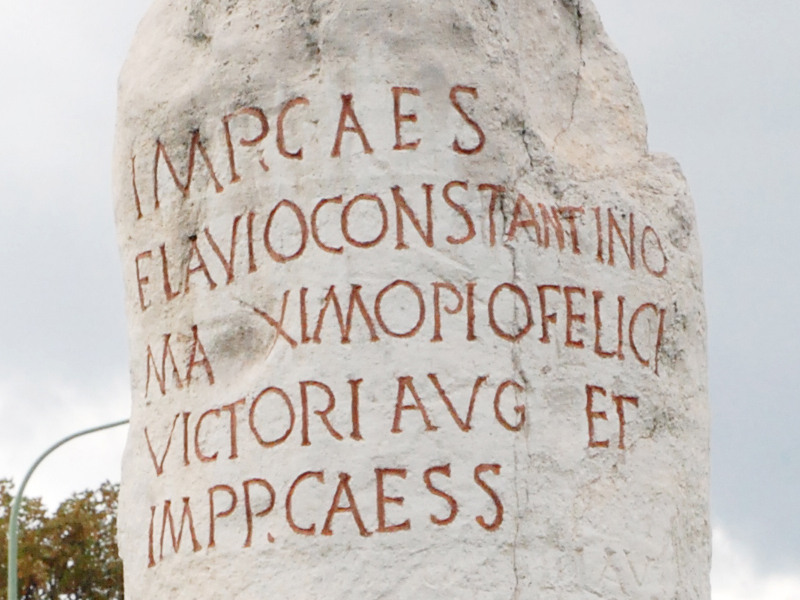
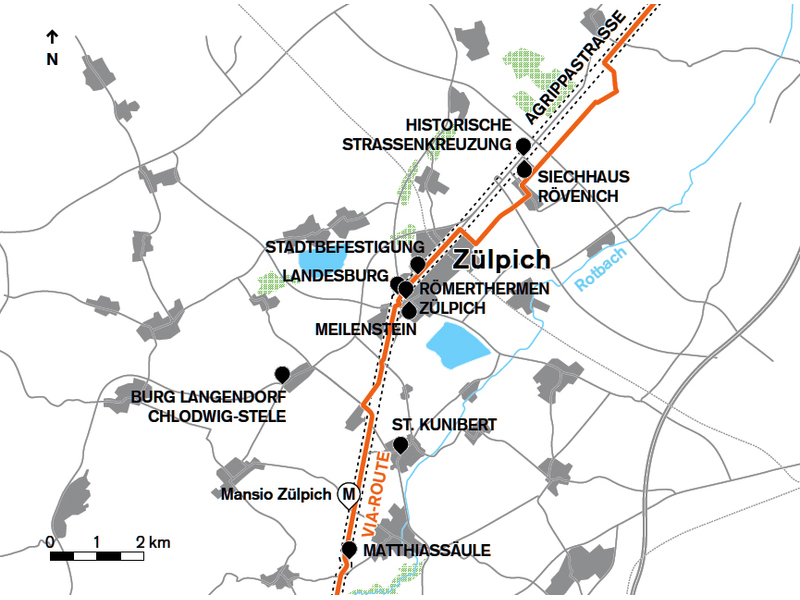
Straight roads leading into and out of the town reveal that Zülpich was an important crossroads for several Roman highways. But that's not all: numerous archaeological finds suggest that there was a Roman settlement here, which flourished in the second century with the construction of extensive thermal baths.
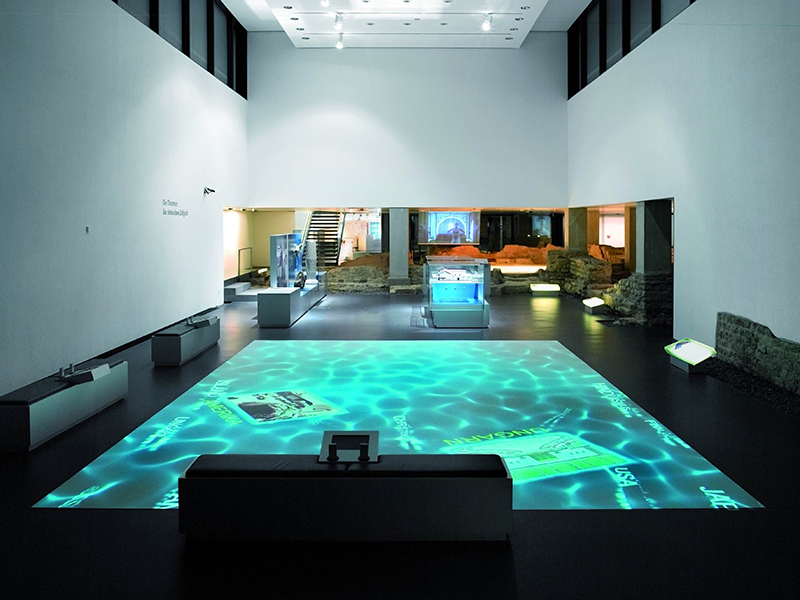
Where the thermal baths become a museum
The 400 m² bathhouse with outbuildings was discovered in 1929 during canal construction work on the Mühlenberg and is one of the best-preserved Roman thermal baths north of the Alps. Where people once bathed and discussed important business matters, there is now a museum. How did the complex water circulation system of the facility work? Why were the thermal baths also an important social meeting place? And how has bathing changed over time? These are exciting questions that are answered on a journey through 2,000 years of bathing culture.
Zülpich today
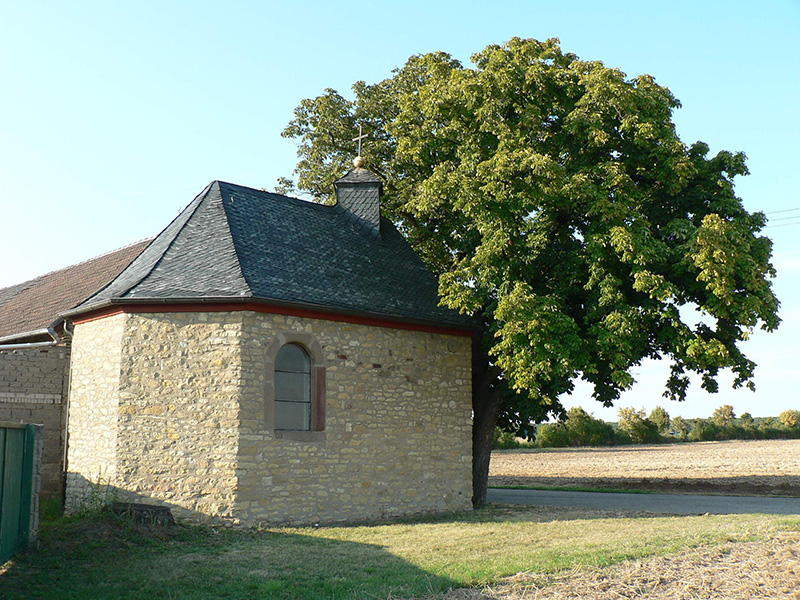
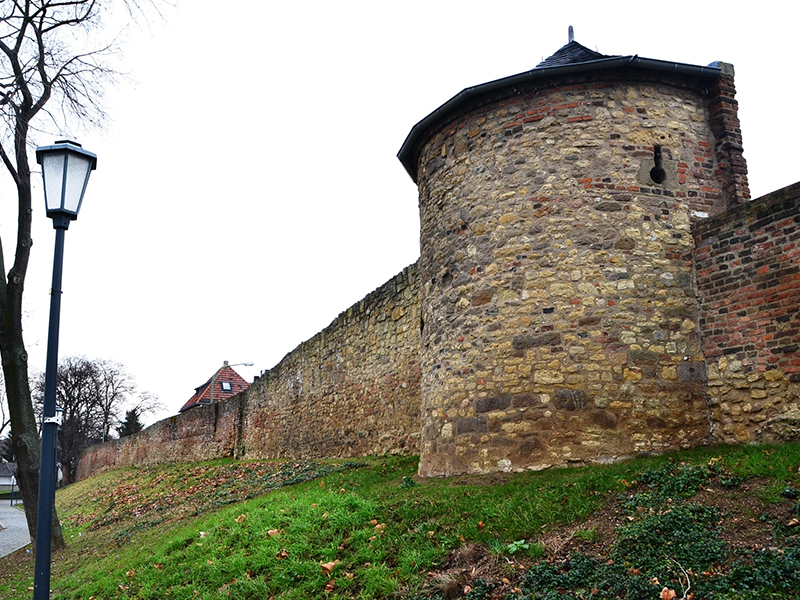
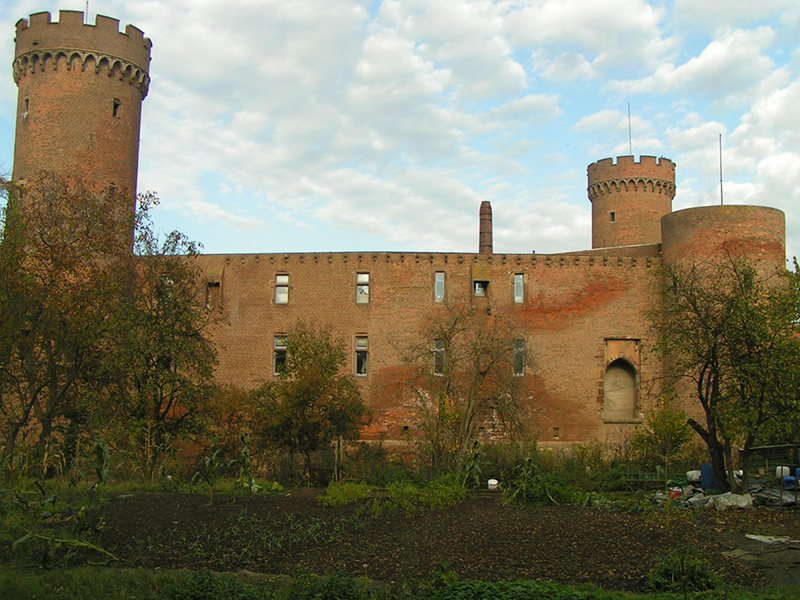
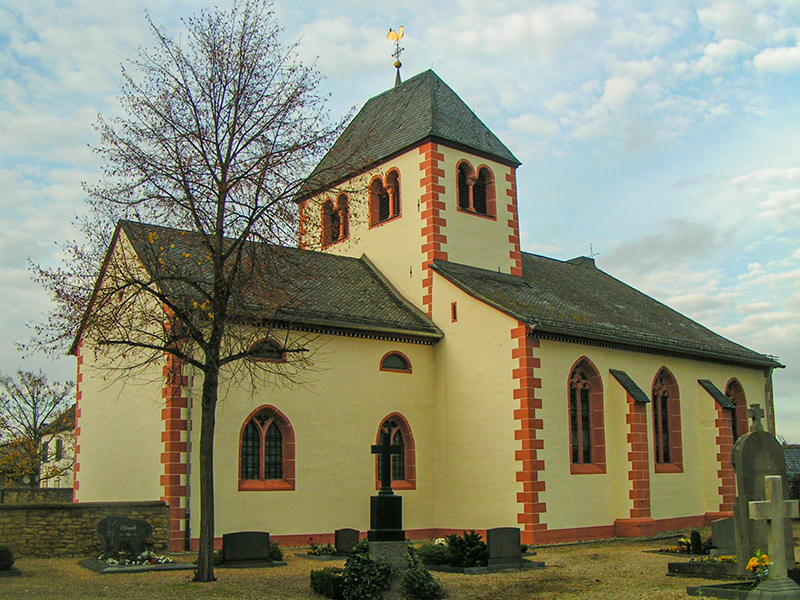
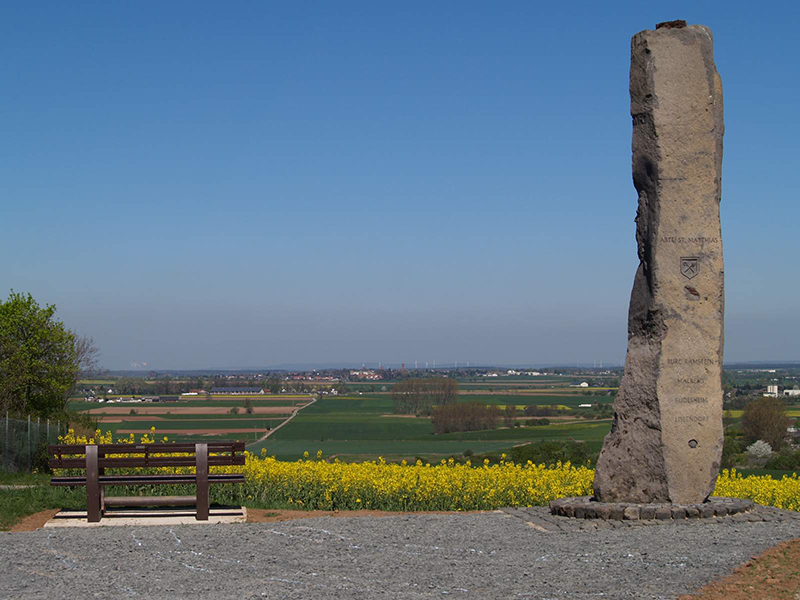
Visitors to Zülpich can hardly miss it: the almost completely preserved city wall, which was partly built on the remains of a Roman fortification in the late Middle Ages. Four historic city gates welcome visitors and invite them to take a stroll through the picturesque town. But also outside the town centre, churches, moated castles, monasteries and mills in the numerous districts, which probably grew out of Roman estates, also invite visitors to take a journey through time. The route of the Via Agrippa Adventure Trail leads through the almost entirely flat Zülpicher Börde (plains) in the town area.